Mindforgers
Idea Architect (GIPS)
Build a better mind inside stranger worlds.
Idea Architects read to grow through speculation. You want systems, futures, and plots that argue with reality.
Character portrait
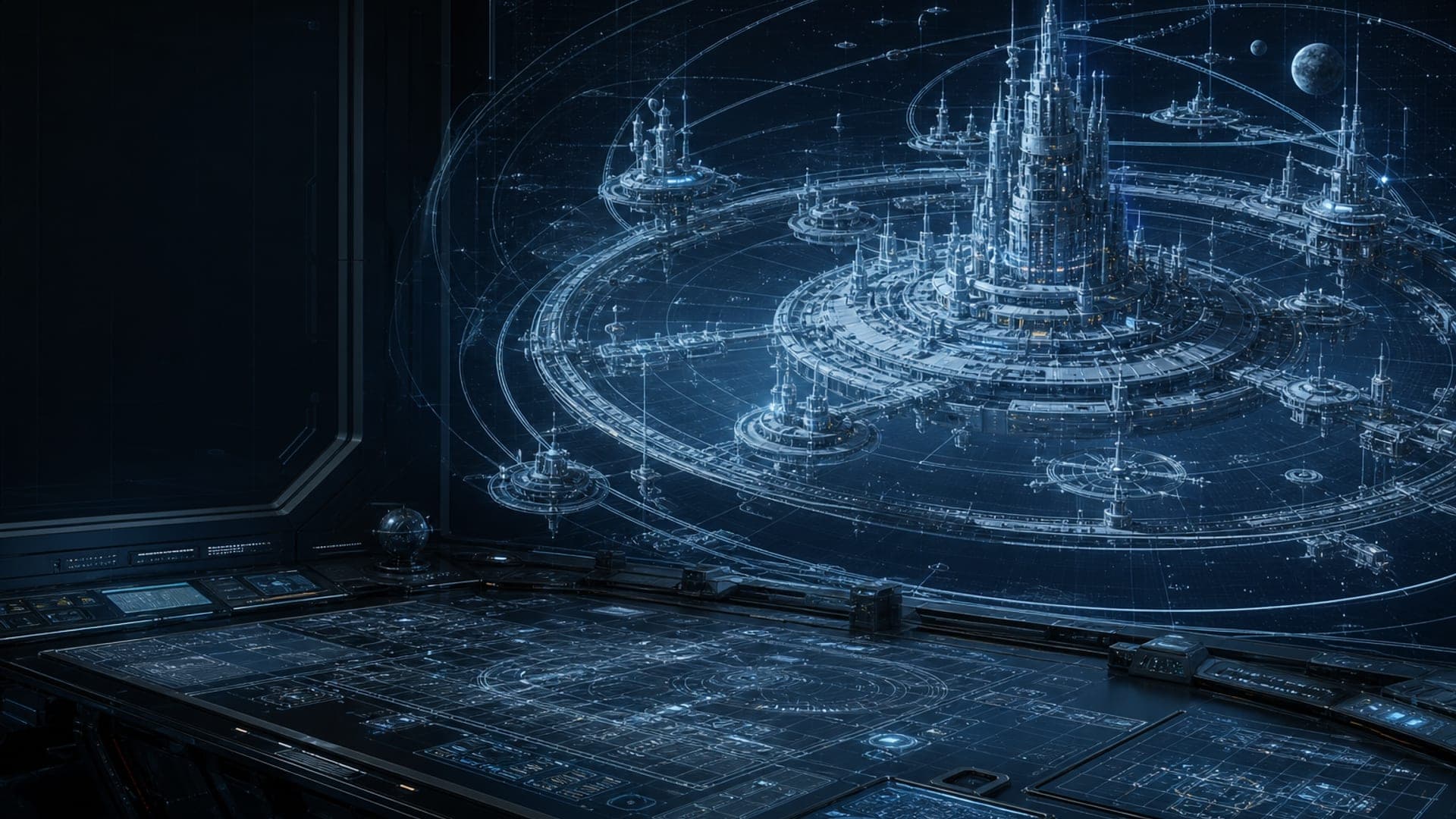
You read like you’re drafting blueprints for tomorrow. Idea Architects want speculative frameworks with teeth — economies of magic, orbital politics, AI ethics dressed as adventure. Growth isn’t a side effect; it’s the point. You like plots that stress-test a thesis. Escapism can happen, but you’d rather leave a book smarter, sharper, and slightly argumentative.
In short
Idea Architects read to grow through speculation. You want systems, futures, and plots that argue with reality.
How you read
You annotate, argue with the text, and prefer series or authors who deepen a thesis across books. You’ll tolerate density when the system pays off. Discussion is part of digestion.
What you love
Hard-leaning sci-fi, political fantasy, systems fantasy, near-future thrillers, and speculative stories that treat world rules as intellectual toys with consequences.
Reading rituals
Notes app open, highlights everywhere, occasional diagrams no one else sees. You read best when you can pause and think — desk, train with a notebook, late quiet.
Shelf portrait
Dense speculative spines, nonfiction satellites around the same questions, series that build a thesis. Sticky tabs look like scaffolding.
With other readers
You light up in theory-friendly book clubs, podcast recs, and forums where people argue in good faith. You’ll send three links with every recommendation.
Blind spots
Comfort romance without ideas can feel thin. You may undervalue vibe-only books until a concept hooks you. Pure emotional comfort may need a problem to solve.
Growth edge
Let character intimacy lead sometimes; the best architectures have someone living in them. A memoir of a scientist, organizer, or inventor can feed the same growth hunger in a real-world frame.
Books that often fit
Not a prescription — memorable titles that tend to light up Idea Architects.
Dune · Frank Herbert
Politics, ecology, and systems thinking as epic architecture.
The Three-Body Problem · Cixin Liu
Cosmic-scale ideas that force the mind to stretch.
Ancillary Justice · Ann Leckie
Identity and empire as a sharp speculative engine.
The Ministry for the Future · Kim Stanley Robinson
Near-future systems fiction aimed at growing what we can imagine.